About Me
Vision
Manufacturing is changing faster than the people working in it can keep pace with. Computational design, automation, and additive manufacturing are constantly evolving. New possibilities are appearing fast, from generating parts to new workflows, opening more than the industry has yet put to use. Knowing a technology exists is not the same as knowing how to apply it to your own practice. I believe the real barrier here is not technical. People’s ability to apply these methods has not caught up with what technology can already do. That gap, between what is possible and what people can actually use, is where a product becomes meaningful or stays generic.
Advanced manufacturing offers real opportunity, and I see room for support systems that strengthen the people using them, not ones that decide for them. My place is to move that knowledge barrier, by designing the tools and processes that help people learn what the technology can do. I believe it points toward an Industry 5.0 relationship [1], where the tool adapts to the person using it and develops their expertise. That only happens when the system is shaped around the questions users bring to it, not around the technology on its own.
I position myself at that intersection, combining knowledge of additive manufacturing with the ability to teach others to use it. This asks the designer to take a more process driven role, connecting what the technology makes possible with how people put it into practice. It keeps the designer close to the personal concerns that arise when someone tries to solve a problem with an unfamiliar technology. The thinking has to evolve on both sides. The designer learns the user’s world, and the user learns to see what the technology makes possible.
Technology should expand how people think, giving them ways to approach a task they could not see before. By grounding this in research for design and a human-centred approach, I aim to develop tools and processes that are understandable, adaptive, and meaningful in practice, so the people using them grow alongside emerging technologies.
[1] Breque, M., De Nul, L., & Petridis, A. (2021). Industry 5.0: towards a sustainable, human-centric and resilient European industry (No. KI-BD-20-021-EN-N). Directorate General for Research and Innovation (DG RTD) of the European Commission.Personal Identity
I am a designer who integrates technical realisation with a human-centred view, turning complex technology into something users can act on. Helping others understand is what drives me. I design the way I do because I believe understanding should be shared, not kept locked in complexity. That belief is why I keep turning something complex, a process, a dataset, a new way of making, into something a person can use.
I work through iteration, prototyping, and data analysis to surface the problems. My methods switch between human centred and an engineering perspective, bridging what people need with what the data and the technology allow, until the process reaches a solution the user can use and understand. My strength is making complex information usable. In my projects the data is abstract to the people who could benefit from it, so I turn it into the foundation a new concept is built on, with the goal of guiding the user.
For me, driving a project means carrying it from direction to a working result. I seek out the stakeholders, set out my vision, considering different perspectives, and take initiative in the design direction, guiding the team through it. I value graspable functions, because a design only proves itself when research and design decisions become something people can hold and use. Realisation is usually where I take the lead and reflecting on my approach and results keeps my weaknesses, tunnel vision and a pull toward perfectionism, in check, so they turn into a product that is scoped, working, and reliable.
My profile centres on two things that are inseparable in how I work, getting grip on a problem through data and computation, and building a real concept from it. The analysis tells me what a design needs to do, the making tests whether it holds, and each feeds back into the other. Around this core I draw on user research to understand what people need, and on visualisation to shape how information is gathered and shown. I also work to understand stakeholders and position a design for real use, so a concept does not only work but can exist.
As a designer I find myself best suited where data meets the people who use it, turning complex technology into something they can understand and act on, so that what I build genuinely changes how people work.
Background
Industrial Product Design (HBO) at Windesheim
Pre-Master Industrial Design at TU/E
Master Industrial Design at TU/E
Other Experiences
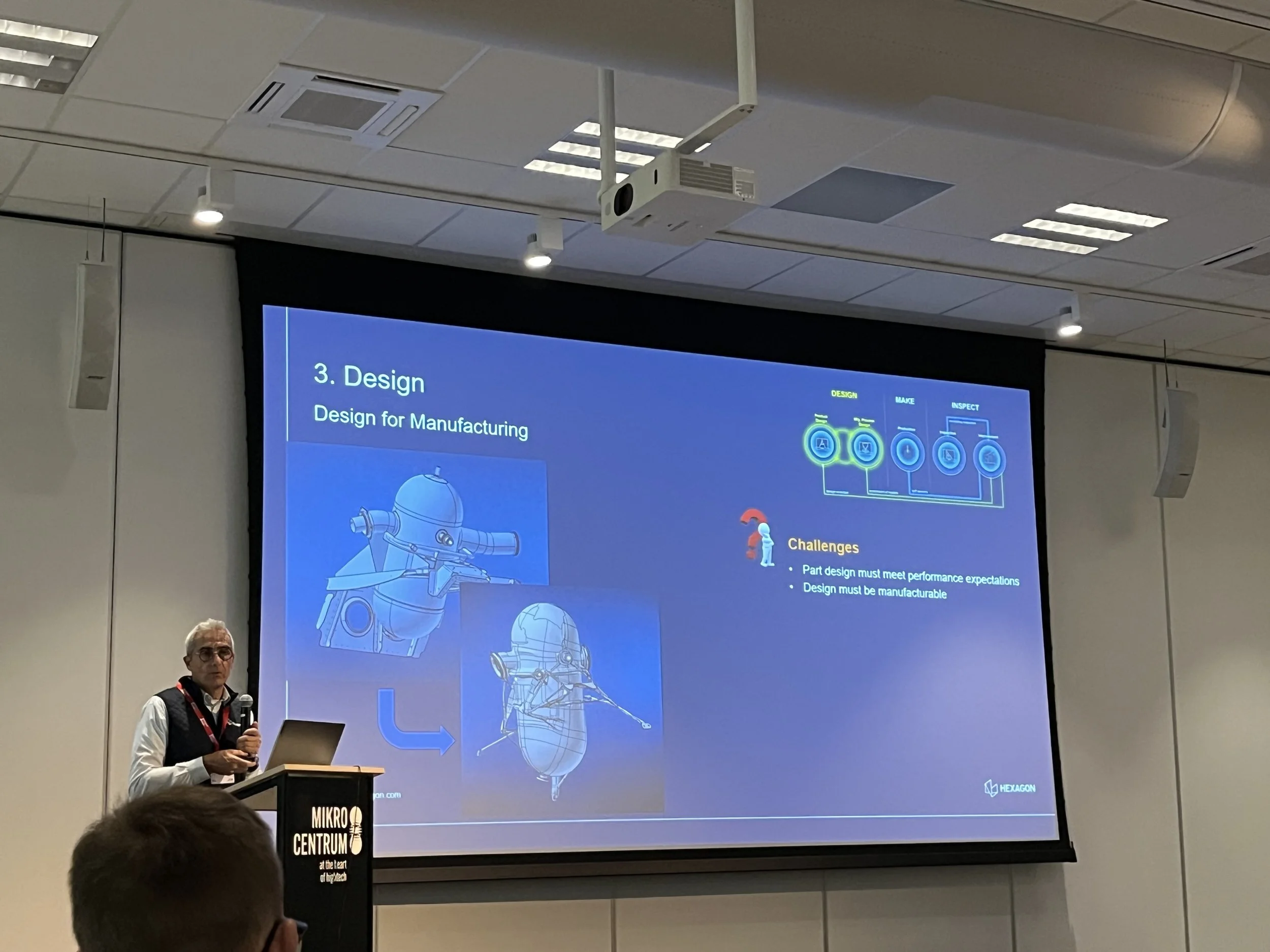
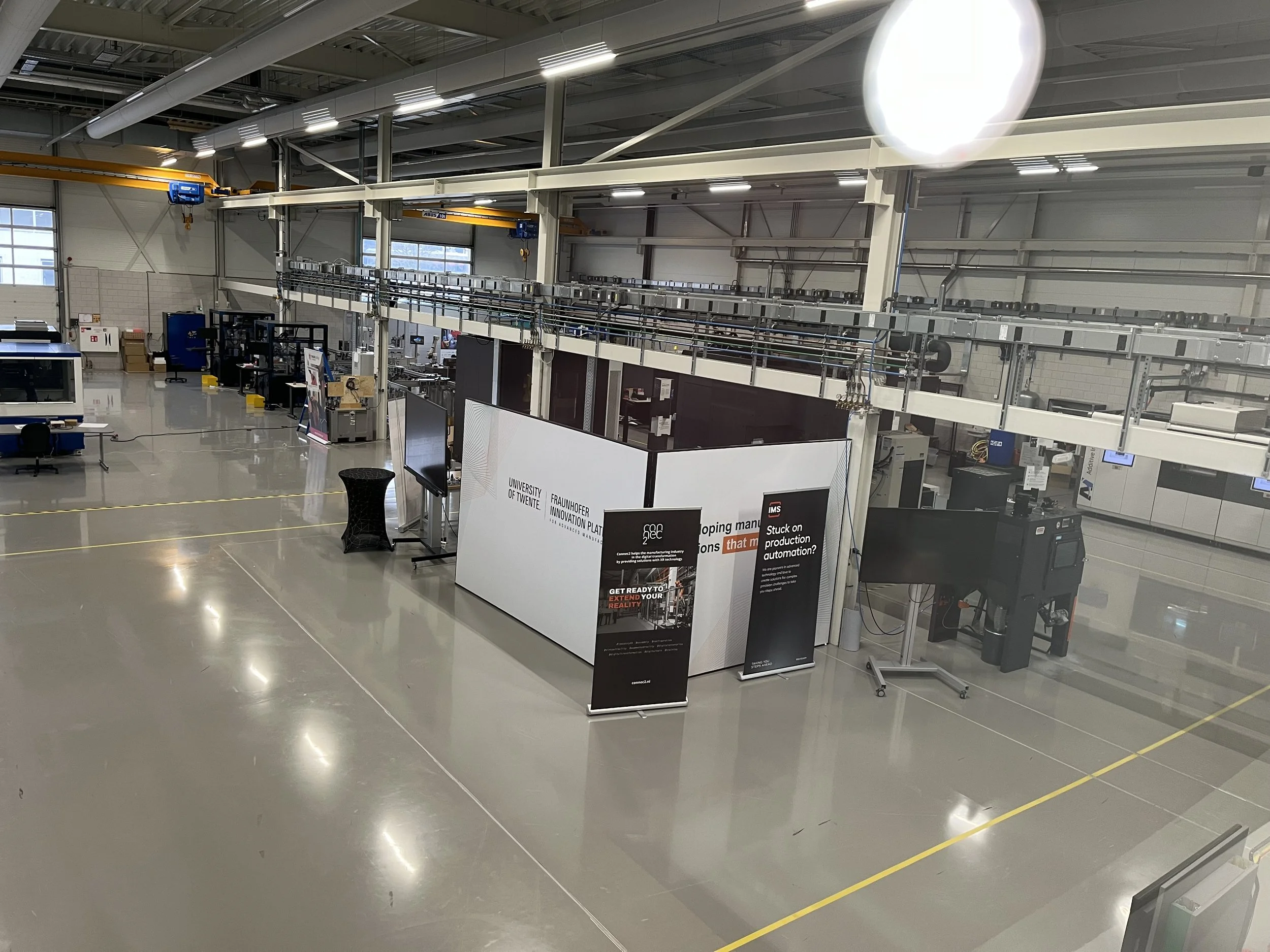
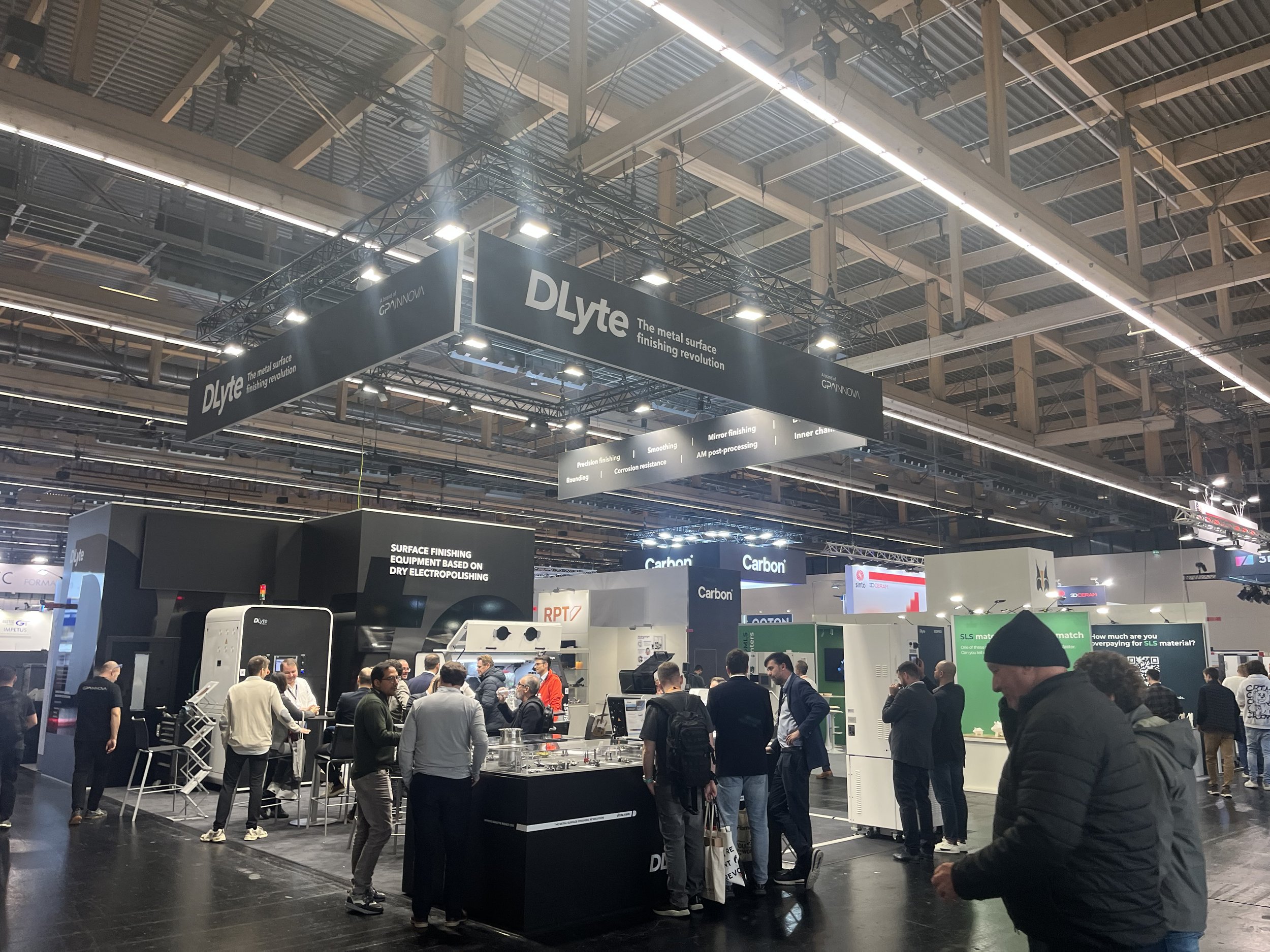
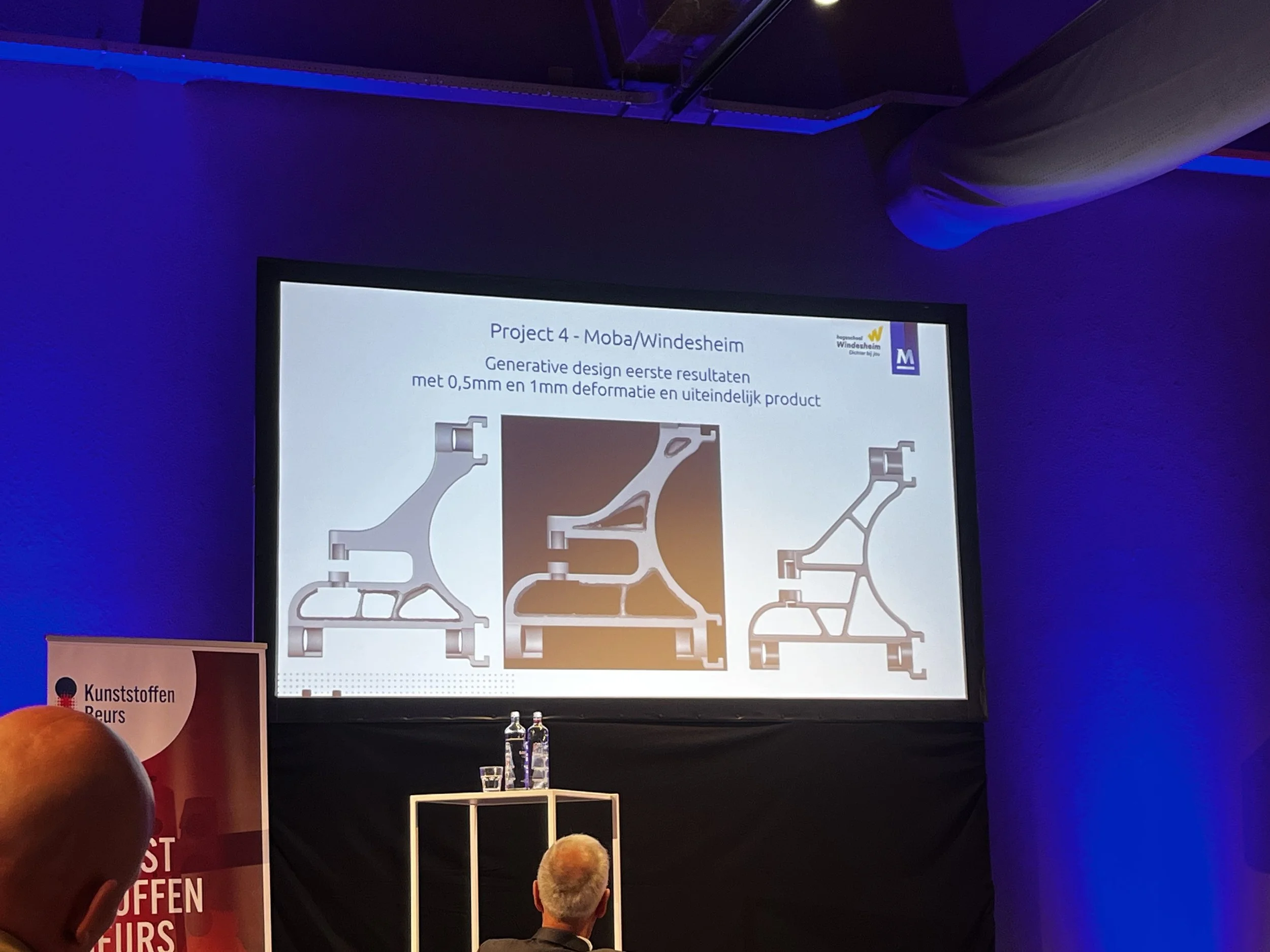
Going to conferences and trade shows about Additive Manufacturing